Lot Sealcoating in San Antonio, TX
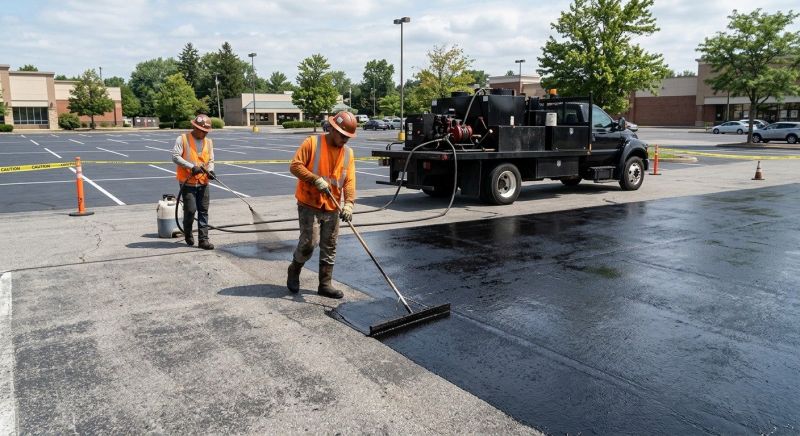
Lot sealcoating services involve applying a protective layer to asphalt surfaces such as driveways, parking lots, and pathways. This process helps to shield the asphalt from damaging elements like water, UV rays, and chemicals, extending the lifespan of the pavement. Projects typically include residential driveways and commercial parking areas, with property owners often seeking to improve curb appeal, prevent cracks, and maintain the integrity of their surfaces over time.
Before requesting sealcoating, property owners should consider the current condition of their asphalt, including any existing cracks or damage that may need repairs beforehand. It’s also helpful to understand the recommended timing for sealcoating, usually when the surface is clean and dry, and to inquire about the best type of sealant for their specific project. Proper preparation and choosing the right product can ensure a durable, even finish that protects the pavement for years to come.
Many property owners in San Antonio, TX look into Lot Sealcoating for repairs, replacements, upgrades, and appearance-related improvements.
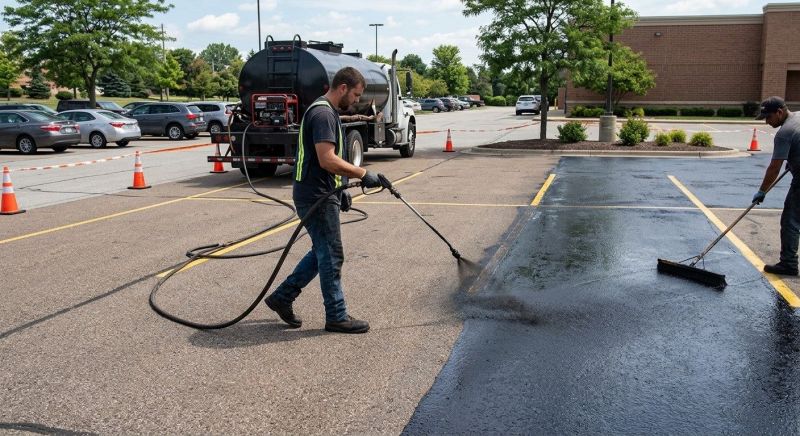
Benefits Of Sealcoating
Sealcoating helps protect asphalt surfaces from cracking and deterioration caused by weather and traffic.
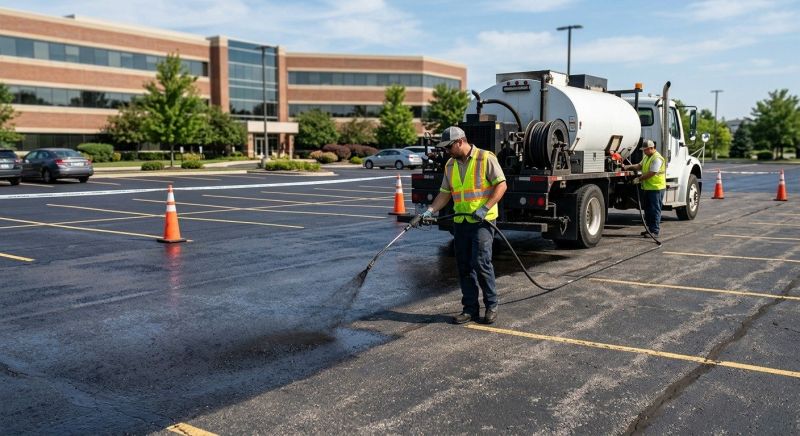
Common Applications
Residential driveways, parking lots, and commercial pathways in san antonio often require sealcoating to extend their lifespan.
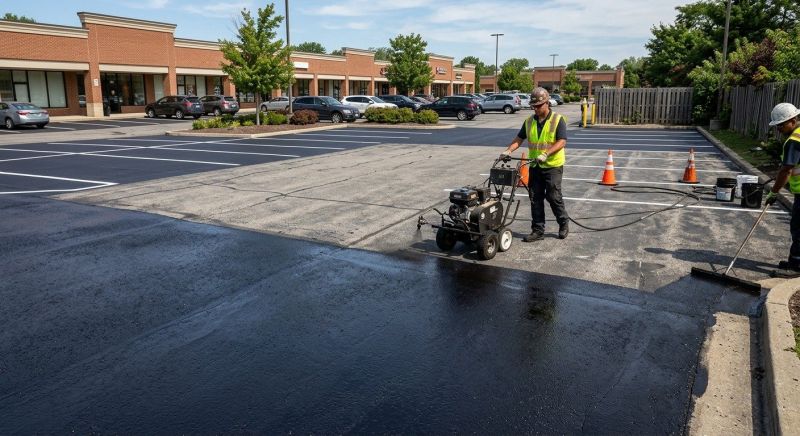
Maintenance Tips
Regular sealcoating maintains surface appearance and prevents costly repairs over time for property owners.
Lot Sealcoating in San Antonio, TX

Lot sealcoating services involve applying a protective layer to asphalt surfaces such as driveways, parking lots, and pathways. This process helps to shield the asphalt from damaging elements like water, UV rays, and chemicals, extending the lifespan of the pavement. Projects typically include residential driveways and commercial parking areas, with property owners often seeking to improve curb appeal, prevent cracks, and maintain the integrity of their surfaces over time.
Before requesting sealcoating, property owners should consider the current condition of their asphalt, including any existing cracks or damage that may need repairs beforehand. It’s also helpful to understand the recommended timing for sealcoating, usually when the surface is clean and dry, and to inquire about the best type of sealant for their specific project. Proper preparation and choosing the right product can ensure a durable, even finish that protects the pavement for years to come.
Many property owners in San Antonio, TX look into Lot Sealcoating for repairs, replacements, upgrades, and appearance-related improvements.
Common Lot Sealcoating Jobs
Asphalt Driveways - Lot sealcoating protects and extends the lifespan of residential driveway surfaces.
Parking Lots - Sealcoating helps maintain the appearance and durability of commercial parking areas.
Private Roads - Regular sealing prevents cracking and deterioration on private roadways.
Walkways and Paths - Sealcoating enhances safety and appearance for pedestrian pathways.
Repaired or Pothole Areas - Applying a sealcoat can safeguard patched sections and prevent further damage.
New Asphalt Installations - Sealcoating is recommended after installation to preserve the surface from early wear.

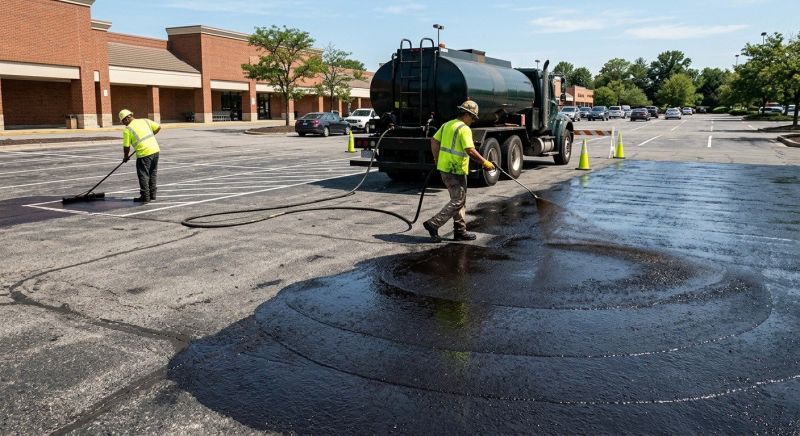
Lot Sealcoating Questions
What is lot sealcoating? Lot sealcoating is a protective layer applied to asphalt surfaces to prevent damage from weather, water, and UV rays.
What types of properties benefit from sealcoating? Parking lots, driveways, and commercial pavements are common projects that benefit from sealcoating.
How does sealcoating extend pavement life? It creates a barrier that minimizes cracks, potholes, and surface wear, helping the asphalt last longer.
When should sealcoating be applied? Sealcoating is typically recommended every 2-3 years to maintain surface protection and appearance.
Request Lot Sealcoating in San Antonio, TX
Use the quote form on this page to share the basics of your project and request more information for the type of work you need.